
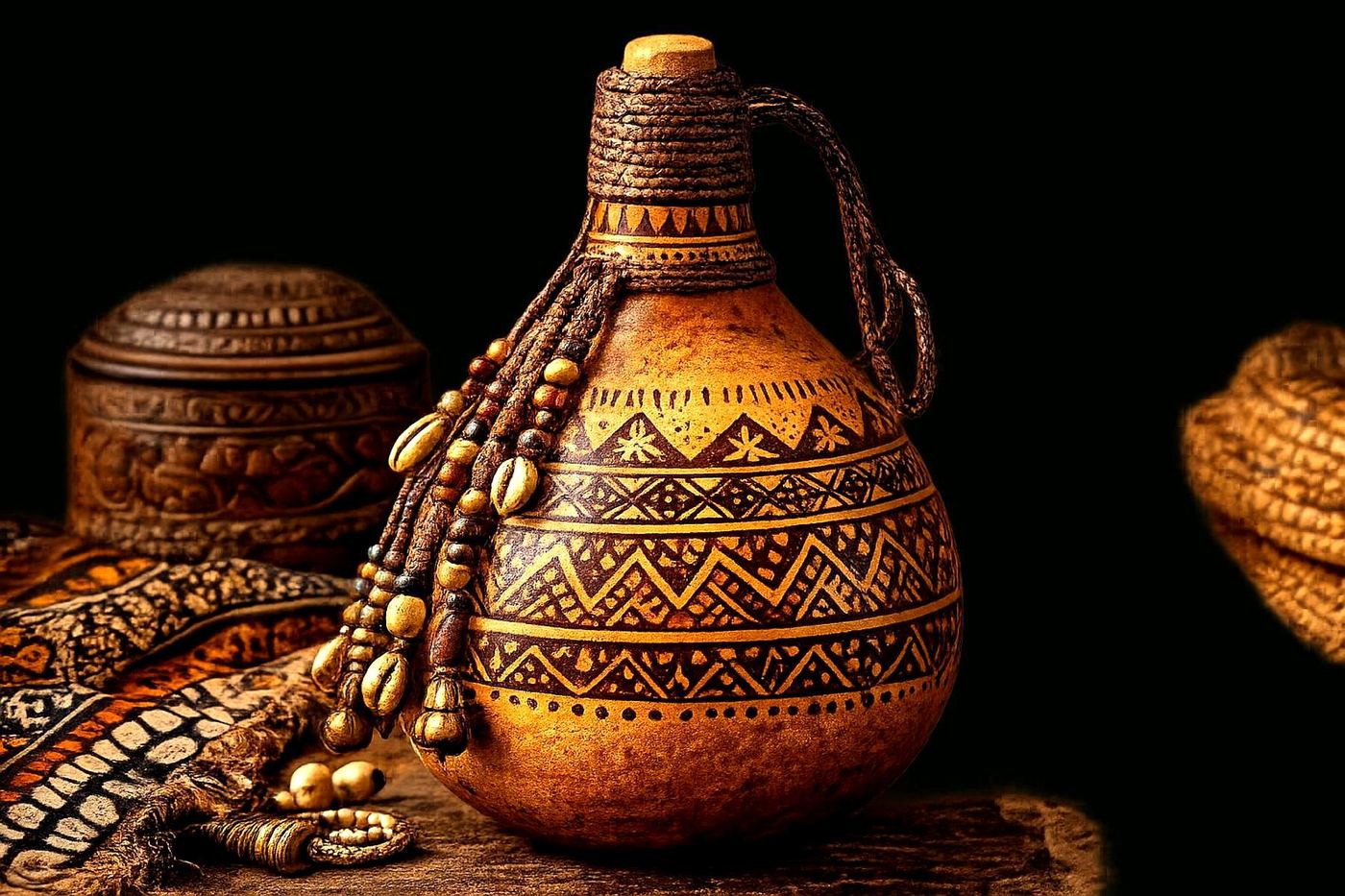
Handmade Memory
Objects become ceremony.
Gourds, baskets, chests, prayer beads, perfume vessels and carved wood preserve daily knowledge through touch, pattern and use.
Swahili traditions live in greetings, meals, weddings, kanga sayings, henna, poetry, market etiquette, Islamic festivals, coastal music, family life and the way people welcome guests.
Gourds, baskets, chests, prayer beads, perfume vessels and carved wood preserve daily knowledge through touch, pattern and use.
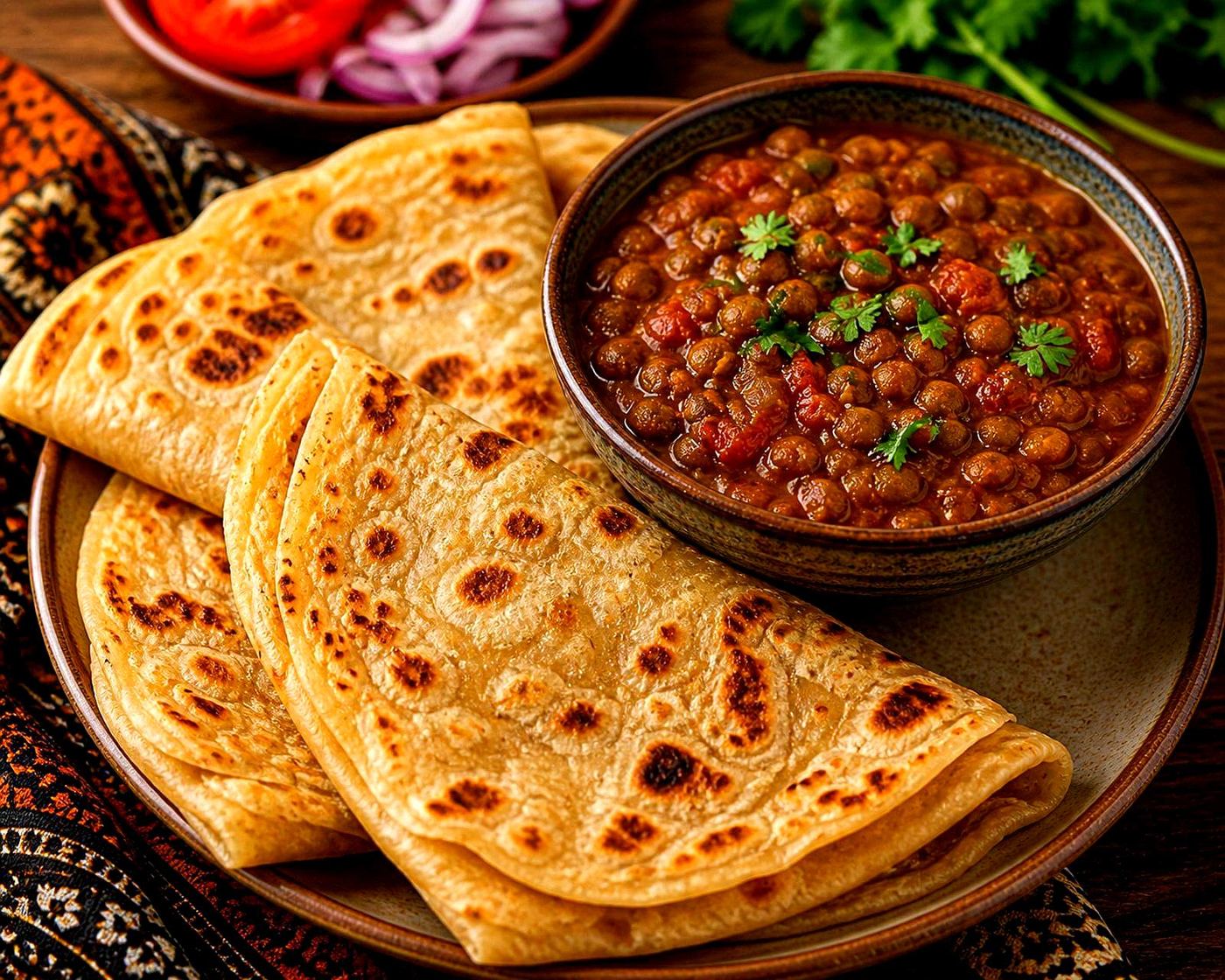
Food teaches hospitality, welcome and gratitude.
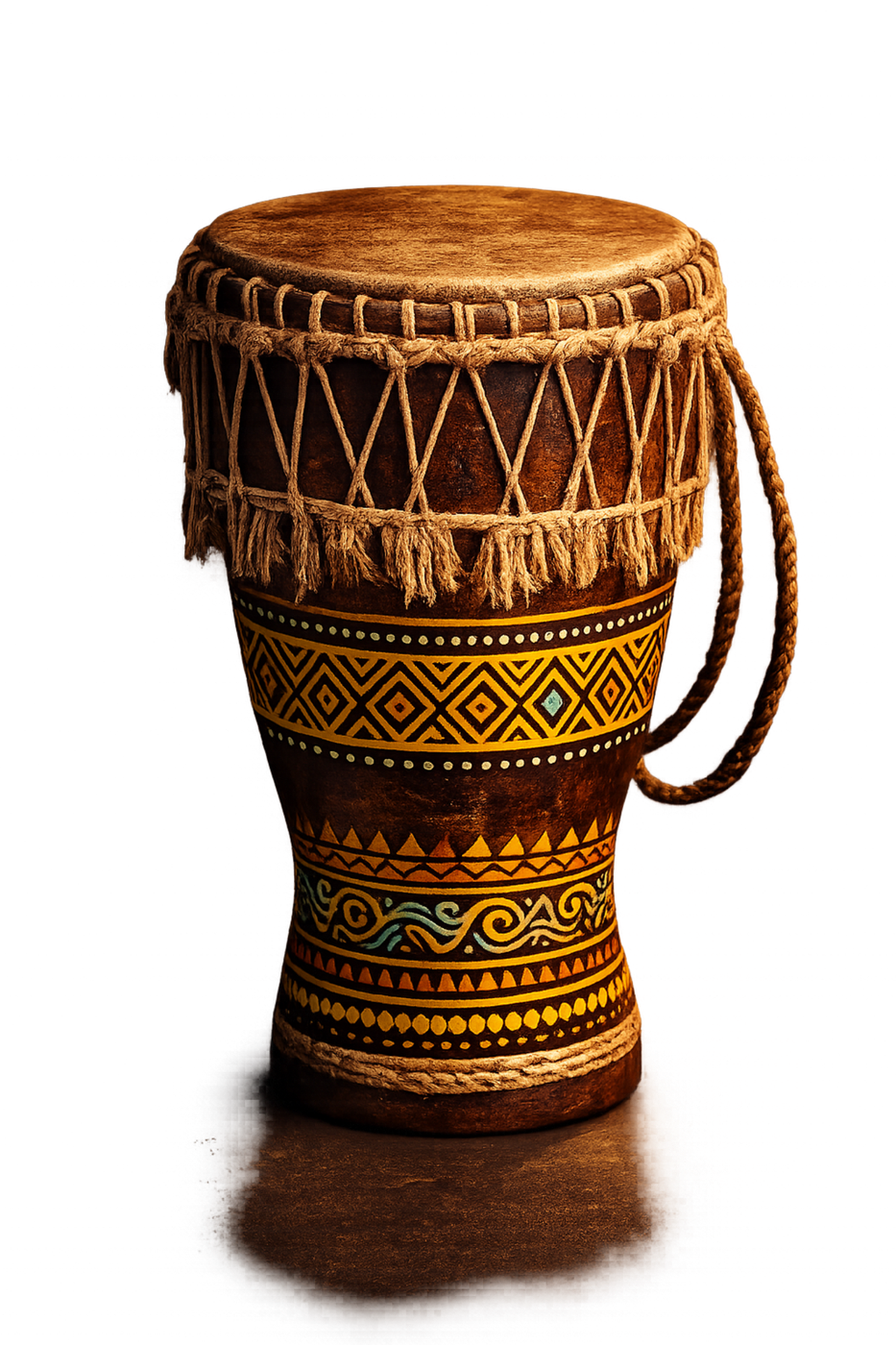
Rhythm carries ceremony, storytelling and community energy.
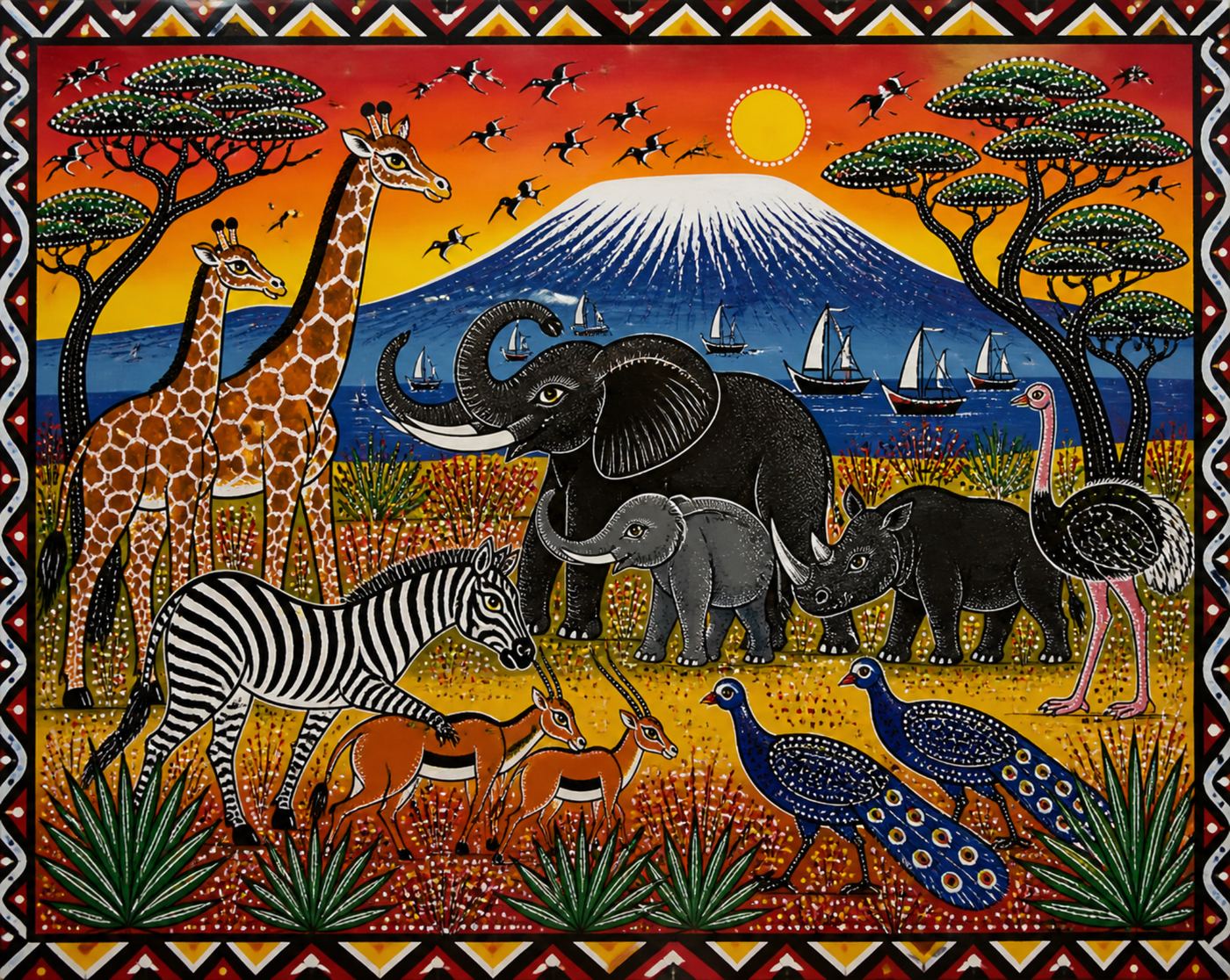
Color, animals and coastal imagination turn art into language.
Use shikamoo, marahaba, hujambo and habari to show warmth. In many Swahili settings, relationship comes before business.
Karibu is more than “welcome.” Guests may be offered tea, food, water or a seat before serious conversation begins.
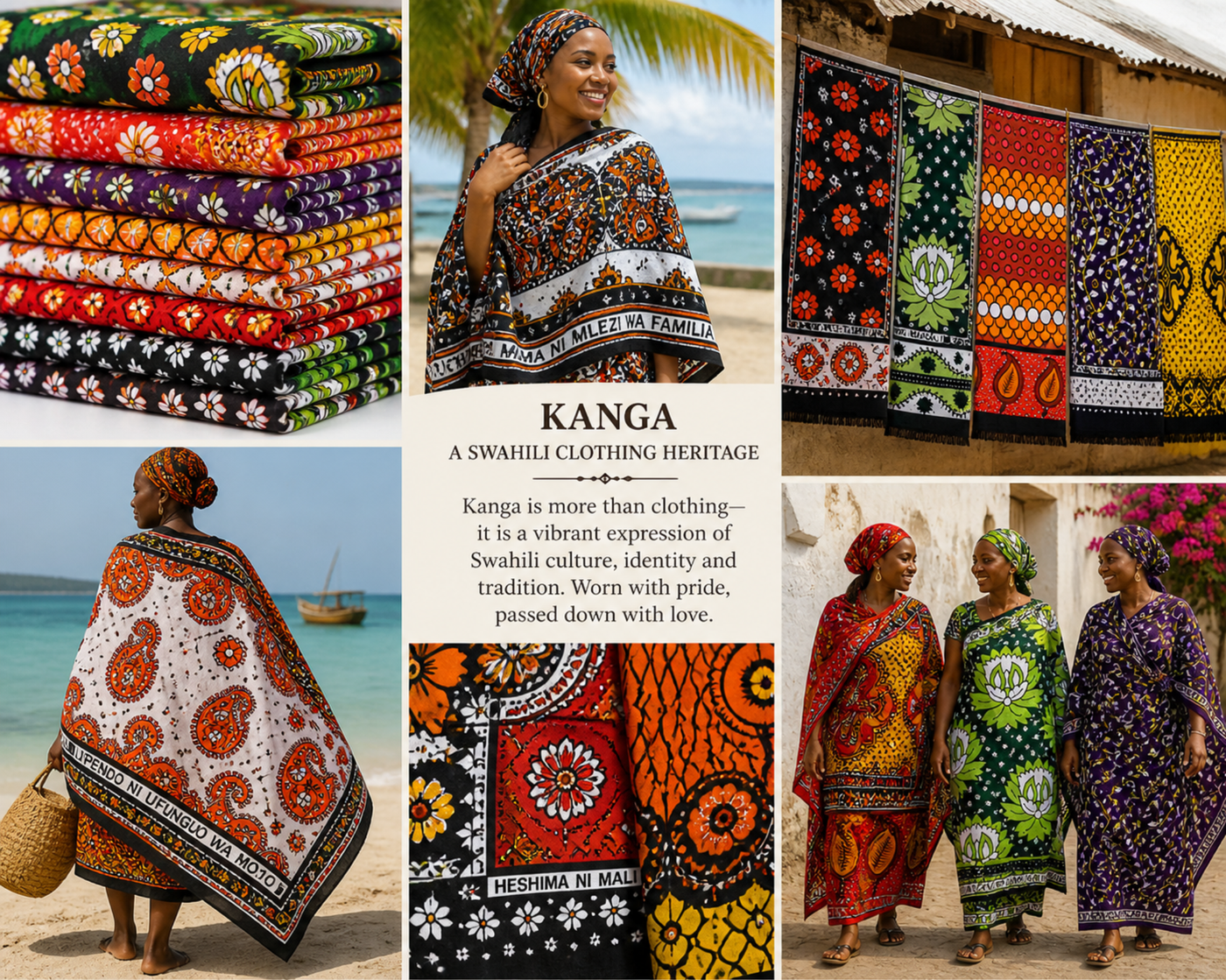
Kanga can be clothing, a gift, a public statement, a wedding item and a vocabulary lesson wrapped in color.
Coastal weddings often include family negotiation, perfume, henna, Taarab, ngoma, poetry, food, Islamic blessings and elegant dress.
Pilau, biryani, chapati, dengu, coconut fish curry, ugali, beans, tea and sweets appear in home visits, weddings, Ramadan evenings and festivals.
Mashairi, utenzi and proverbs keep ethics, faith, romance, politics and memory alive.
Tap a country to switch the story. Each panel updates with traditions, imagery and regional highlights instead of stacking every country at once.
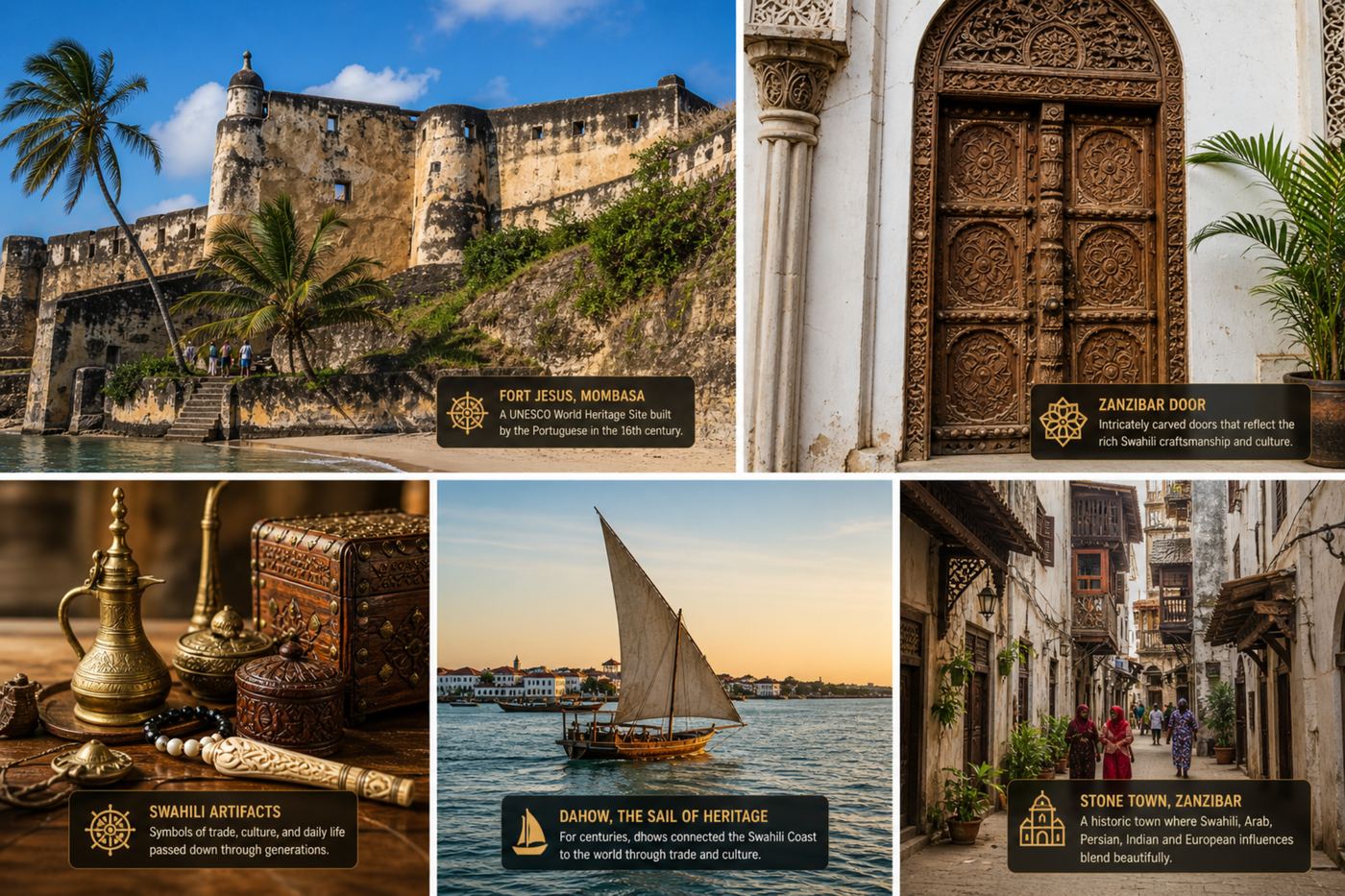
Mombasa, Lamu and Malindi preserve coastal weddings, Maulidi gatherings, mashairi poetry, carved doors, coffee rituals, seafood culture and Mijikenda kaya heritage links.
Zanzibar, Bagamoyo and the mainland coast carry Stone Town customs, ngoma, taarab gatherings, spice culture, Eid celebrations, baraza conversation and Kiswahili literature.
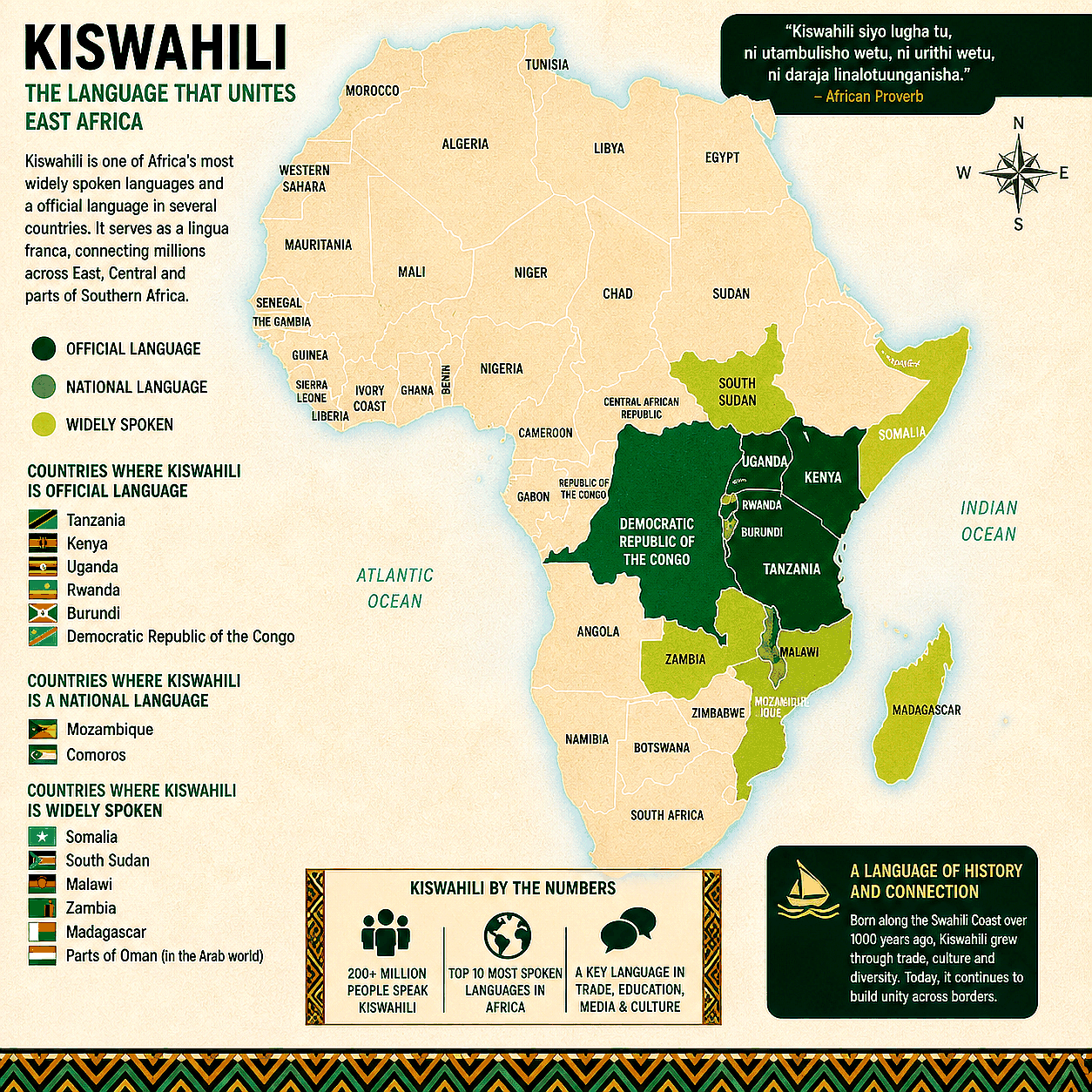
Swahili appears in markets, transport, military history, schools, cross-border trade and urban East African identity, mixing with local languages and communities.
Kingwana Swahili, lake-port communities, oral storytelling, dance, merchant culture and multilingual exchange shape the eastern Congo Swahili world.
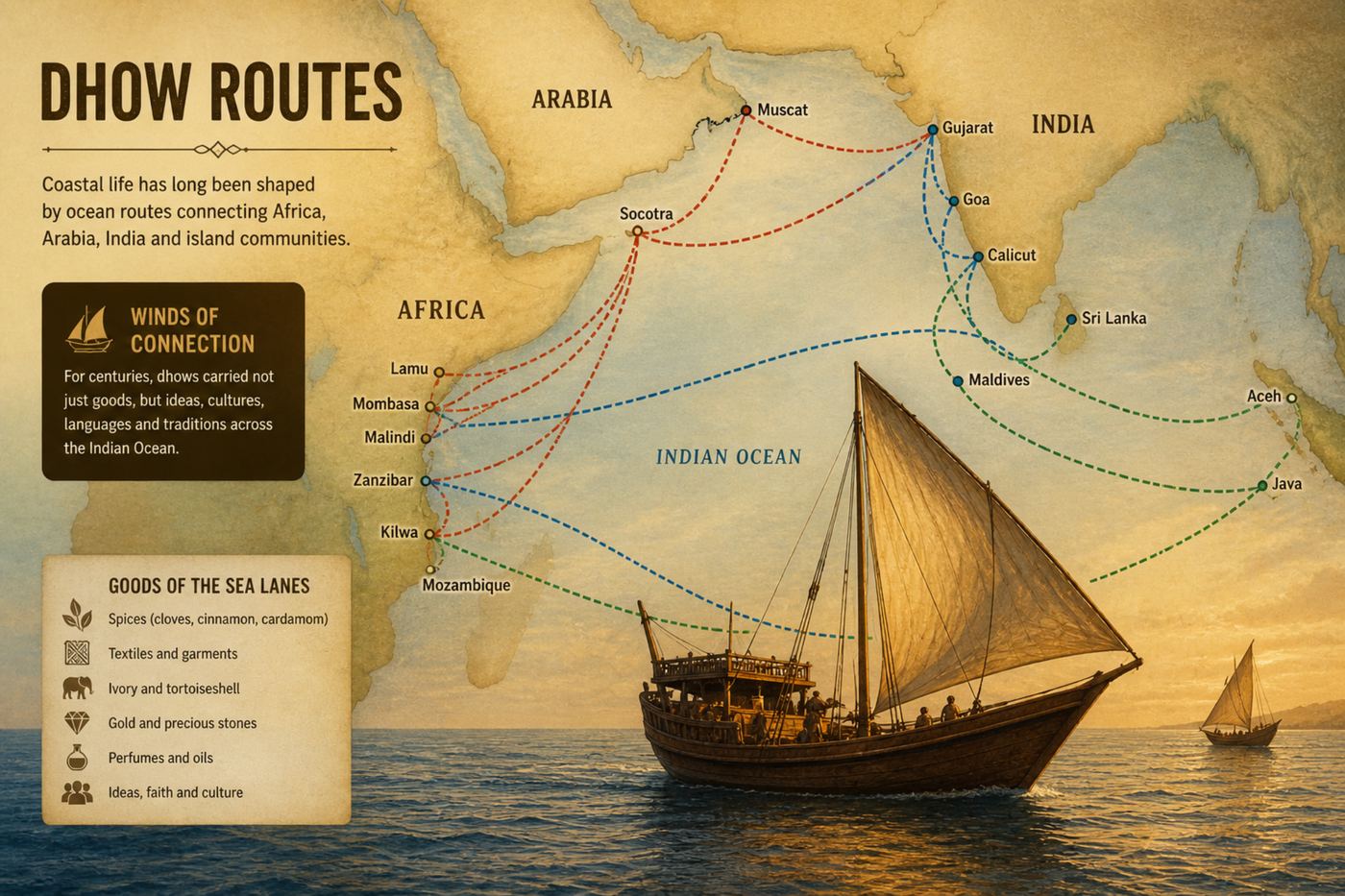
Northern coastal communities connect to Swahili-Arab maritime links, Islamic festivals, seafaring memory, family celebrations and Indian Ocean fusion.
Comorian island life brings Shirazi influence, Islamic scholarship, perfume arts, grand marriage customs, seafaring rituals and shared coastal identity.
Learn, teach, travel, translate, or get language support without digging through menus.