
Food & hospitality
Pilau, biryani, samaki wa kupaka, urojo, mishkaki, vitumbua, maandazi, chapati, wali wa nazi and spiced tea reflect coastal kitchens and Indian Ocean exchange.
Swahili culture is social, poetic and hospitable. It lives in greetings, meals, dress, celebrations, storytelling, markets, music and the rhythm of everyday life.

Pilau, biryani, samaki wa kupaka, urojo, mishkaki, vitumbua, maandazi, chapati, wali wa nazi and spiced tea reflect coastal kitchens and Indian Ocean exchange.
Kanga, kitenge, kanzu, buibui, henna, perfumes and careful presentation show respect, ceremony and beauty in public life.
Respectful greetings, elder honor, weddings, Eid, Maulid, communal meals and neighborhood ties are central to Swahili social life.
Fishing, spice trading, tourism, dhow building, market vending, tailoring and hospitality businesses are part of the coastal rhythm.
Food is one of the easiest ways for learners to understand Swahili culture, vocabulary and hospitality.
Spiced rice cooked with meat, cloves, cardamom, cinnamon and coastal aromatics. It is common at celebrations, family meals and special gatherings.
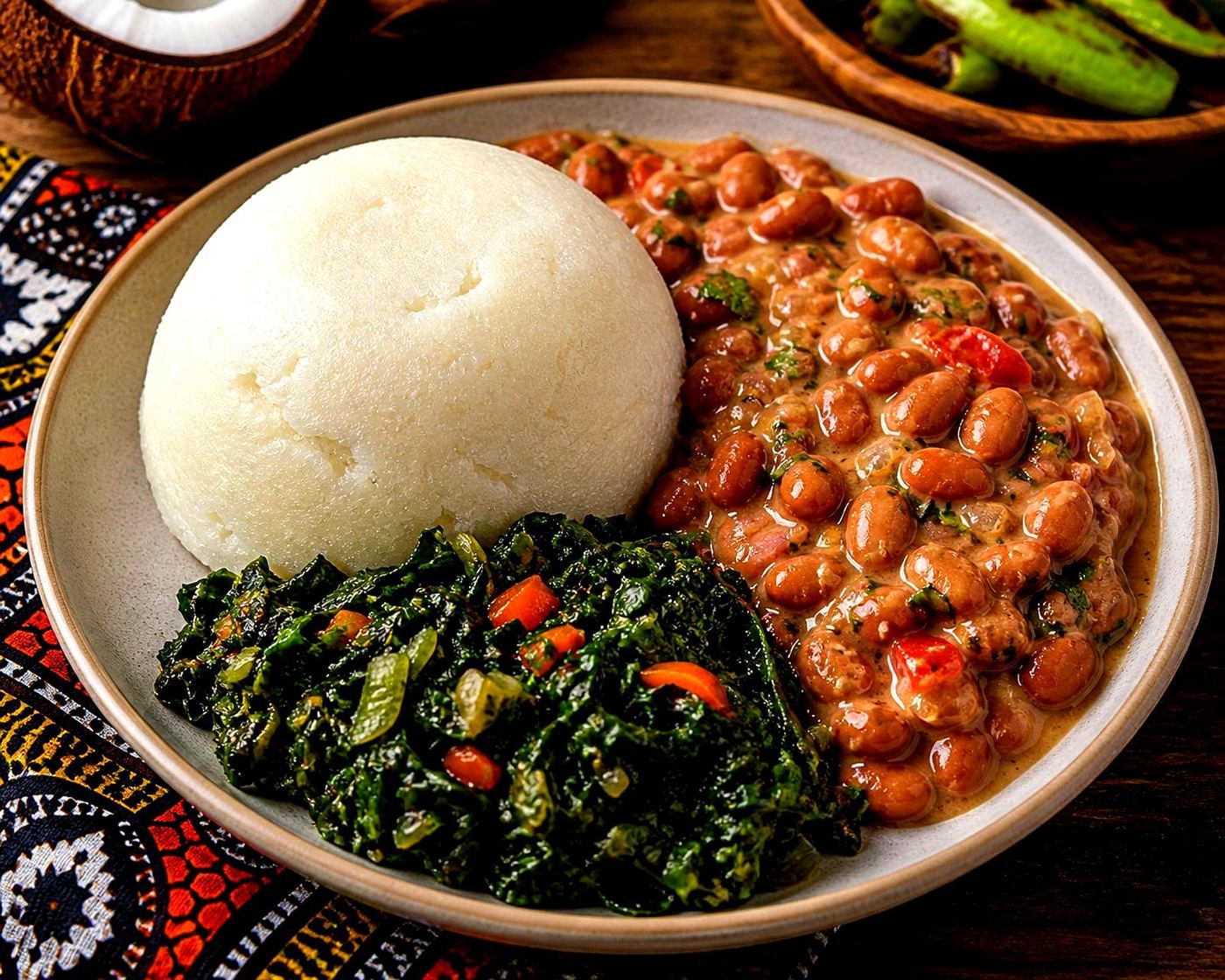
A filling staple served with beans, vegetables, fish or meat stews. It appears across East Africa and remains a dependable everyday meal.
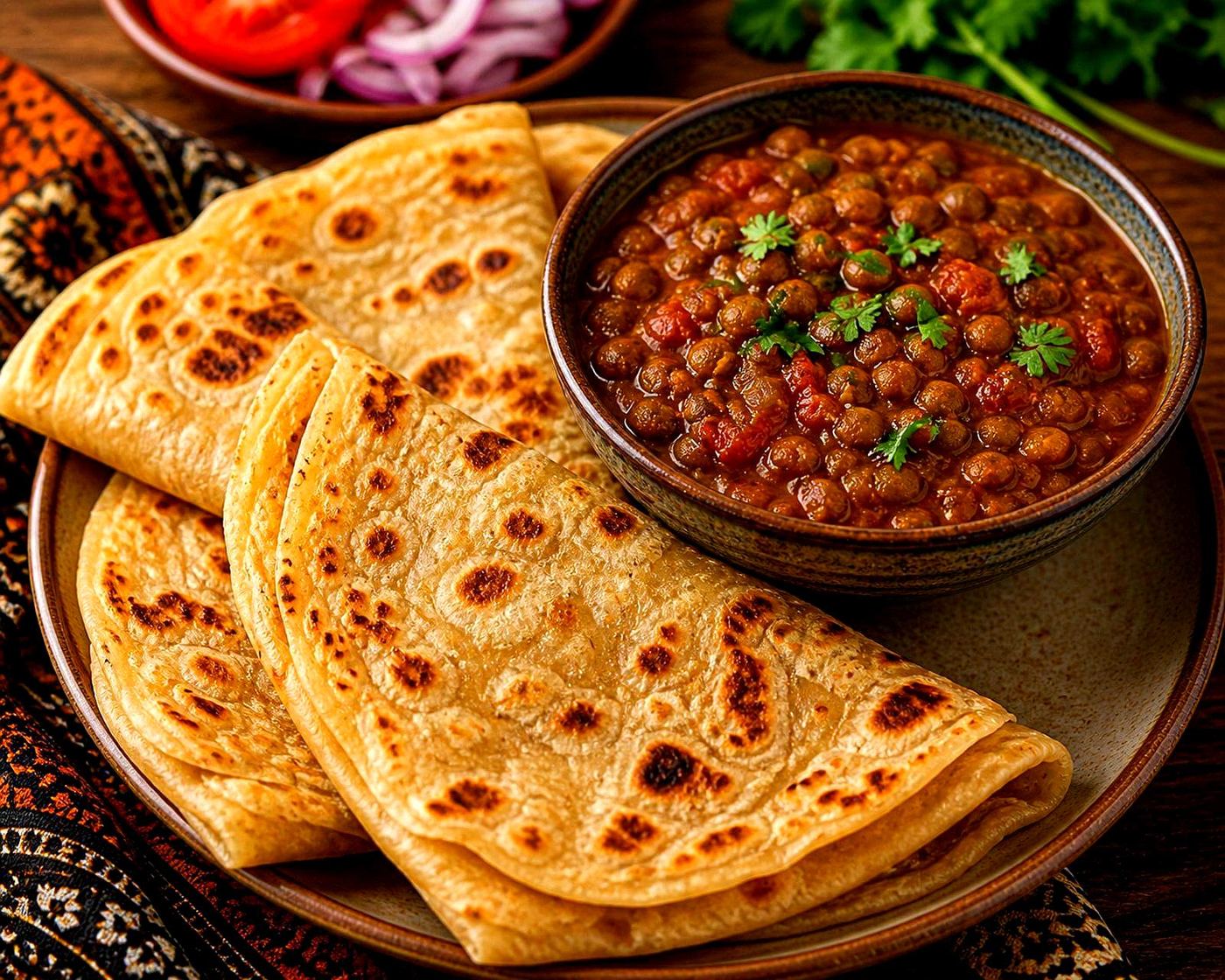
Soft layered flatbread served with lentil or green gram stew. It shows the Indian Ocean food connections that shaped coastal kitchens.
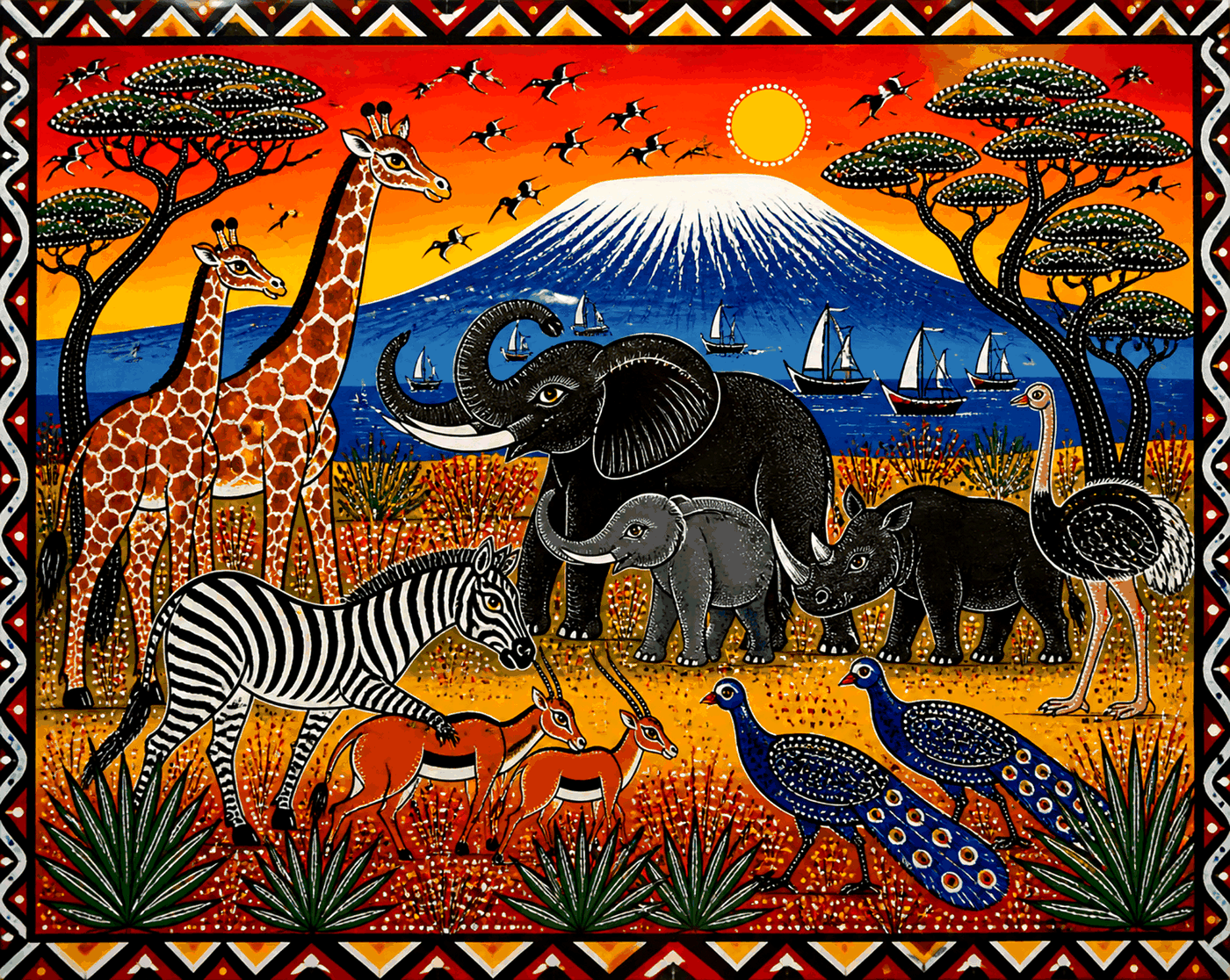
Tingatinga painting is one of Tanzania’s most recognizable modern art styles. It is bold, decorative and joyful, often showing animals, village scenes, birds, trees and bright patterned borders.
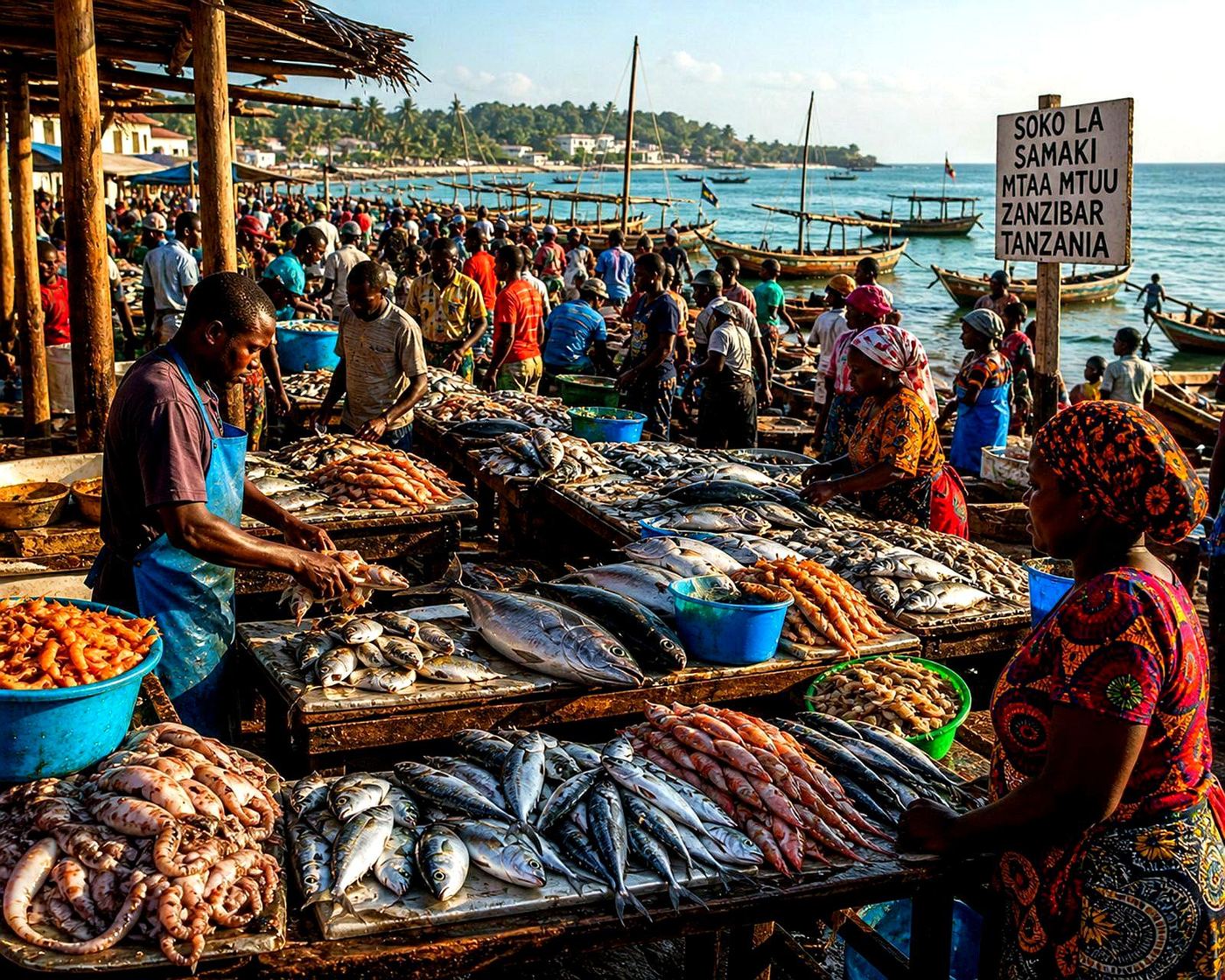
Fishing is central to many coastal communities. Markets, boats, seafood dishes and early-morning trading show how the ocean sustains families and local culture.
Coastal life has long been shaped by ocean routes connecting Africa, Arabia, India and island communities.
Open each tab to learn why Tingatinga belongs in any Swahili culture journey.
The style is associated with Tanzanian artist Edward Saidi Tingatinga and the creative community that grew around him in Dar es Salaam. It developed into a popular painting movement recognized for accessible materials, bold outlines and lively scenes.
Tingatinga works often use high-contrast colors, decorative dots, animals, birds, coastal life and imaginative landscapes. The art feels playful, but it also preserves memory, humor and observation.
Today Tingatinga is connected to tourism, galleries, street art, children’s books, souvenirs and cultural education. It helps introduce learners to Tanzania, wildlife vocabulary and visual storytelling.
Use a painting as a vocabulary board: simba, twiga, tembo, pundamilia, ndege, jua, mlima, bahari, mti and rangi. Describe what you see in simple Kiswahili sentences.
Start interactions with greetings. “Shikamoo,” “Habari,” “Mambo,” and “Karibu” carry social warmth.
Meals are connection points. Sharing tea, snacks and coastal dishes builds friendship.
Dress and behavior can change around mosques, elders, weddings and old towns.
Poetry, proverbs, music and stories carry lessons that direct translation can miss.
Explore regional identity through language situations, etiquette, food, music, coastal memory, trade routes, and modern life. Each country card turns culture into practical learning prompts.
Poetry, kaya traditions, carved doors, coastal weddings, henna, Eid gatherings and market greetings.
Stone Town customs, taarab, ngoma, spice identity, Kiswahili literature, Tingatinga storytelling and baraza conversations.
Swahili appears in trade, regional exchange, security, transport and East African integration.
Kingwana Swahili, lake commerce, multilingual cities, merchant culture and oral storytelling.
Islamic festivals, maritime exchange, coastal architecture and Swahili-Arab-Indian Ocean influence.
Comorian languages related to Swahili, wedding traditions, perfume arts, seafood, Islam and island hospitality.
Swahili Lab connects learners with native Swahili speakers through a guided language-learning marketplace built around clear goals, structured course pathways, and practical communication needs.
The learner starts with the $200 course package, creates a private profile, and shares goals, level, schedule, and preferred teacher style.
The learning request is matched privately with suitable Swahili teachers and providers.
Native speakers are matched by fit, availability, teaching style, language strength, and learner goal.
Teacher and learner begin structured sessions guided by the selected Swahili Lab learning pathway.
Learn, teach, travel, translate, or get language support without digging through menus.